Protecting Your Customers, Not Just Your Employees

Account & Session Takeover Prevention
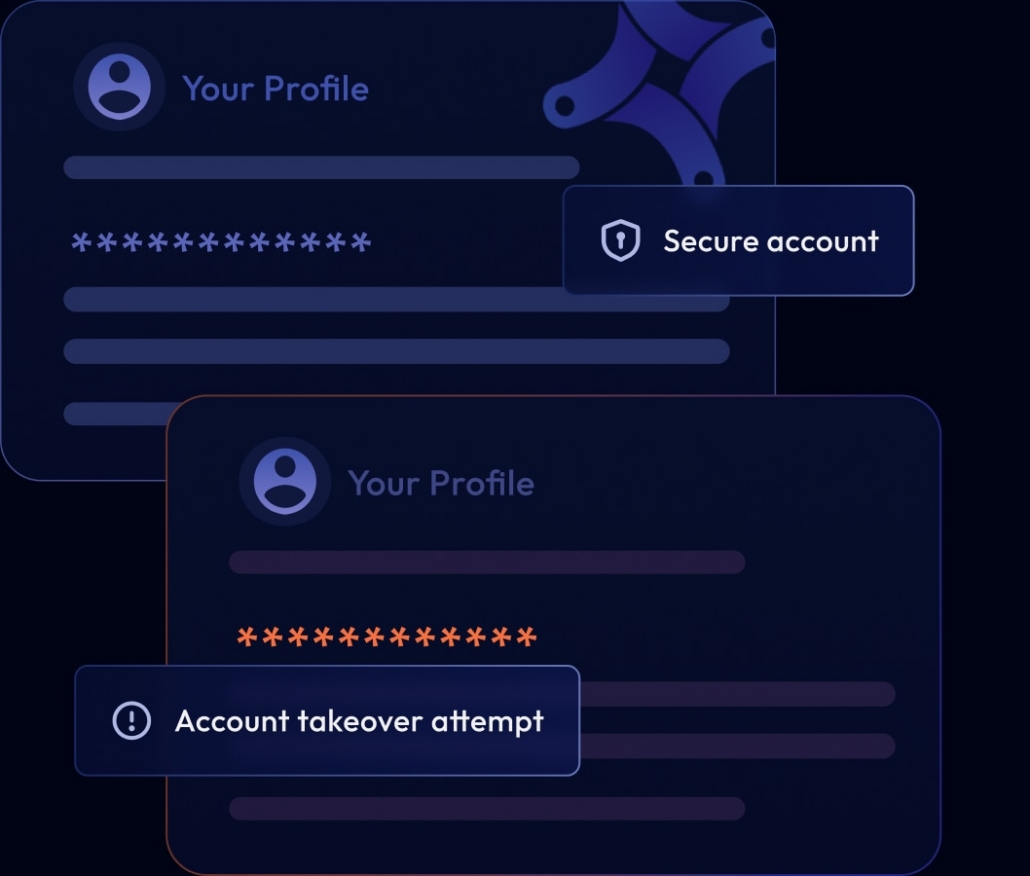
Flare's core platform protects your employees. ASTP protects your customers. When attackers target the millions of end-user accounts on your platform, they use stolen passwords and stolen session cookies. Only one triggers a login event. Flare ASTP catches both before fraud occurs.

29%

of US adults have experienced account takeover

$17B

estimated ATO losses in 2025

46%

of compromised devices are unmanaged and outside EDR

23K+

end-user accounts tracked for active session hijacking
The problem and the fix

Why ATO is Getting Harder to Stop

A quick look at how attackers are stealing customer accounts today and what it takes to get ahead of them.
The threat

Two ways in. One is invisible.

Account takeover is two distinct threats. Flare ASTP addresses both.
Credential theft
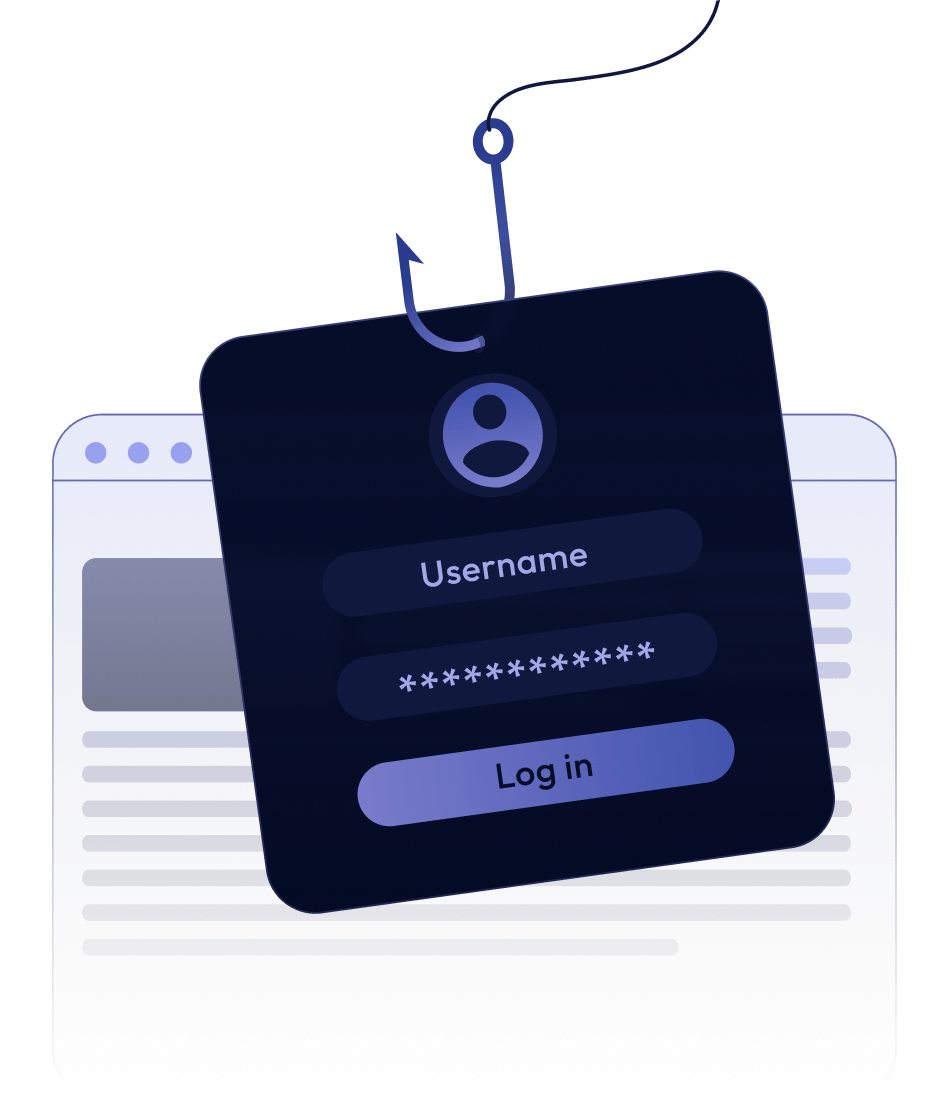
Stolen username + password
Session cookie theft
Stolen session token
Login required
Yes
No — bypasses login
MFA stops it
Usually, if enabled
Never
Detection signal
Yes — failed logins, stuffing alerts
None at login layer
Attacker appears as
New login session
Trusted, authenticated user
Flare ASTP catches it
Before login attempt
Before attacker acts

Organizations need to address both

Credential theft remains the most common account takeover method. Session cookie theft is less common but increasingly serious: it bypasses MFA and leaves almost no attack signature until fraud has already occurred. Flare ASTP addresses both.
The problem

Why Existing Tools Leave Consumer Platforms Exposed

The attack method driving most ATO growth is one security stacks were never designed to catch.

Infostealers move faster than detection tools

Device infection to criminal marketplace listing takes minutes. Most teams find out days later, after the attacker has already acted.

46% of compromised devices are outside your controls

Personal and unmanaged devices host both personal and corporate credentials. Infostealers do not check whether a device is managed.

Long session lifetimes create a wide attack window

Keeping users logged in drives engagement. It also gives attackers with a stolen cookie days or weeks to act before the session expires.

Fraud hits before you know the session was stolen

By the time a customer calls support, the damage is done. Prevention requires seeing the exposure before the attacker acts on it.
The solution

Flare ASTP: Intelligence From The Source

Real-time visibility into the criminal markets where stolen sessions and credentials are traded, before fraud occurs.

Stolen session cookie detection

Monitors dark web markets, Telegram channels, and stealer log ecosystems for active session cookies tied to your platform. Flare sees stolen cookies the moment they appear. Revoke before the attacker acts.

Stolen credential detection

Surfaces username and password pairs captured from infostealer-infected devices. Query by domain or URL. Force password resets before credentials are used in a login attempt.

Real-time criminal market monitoring

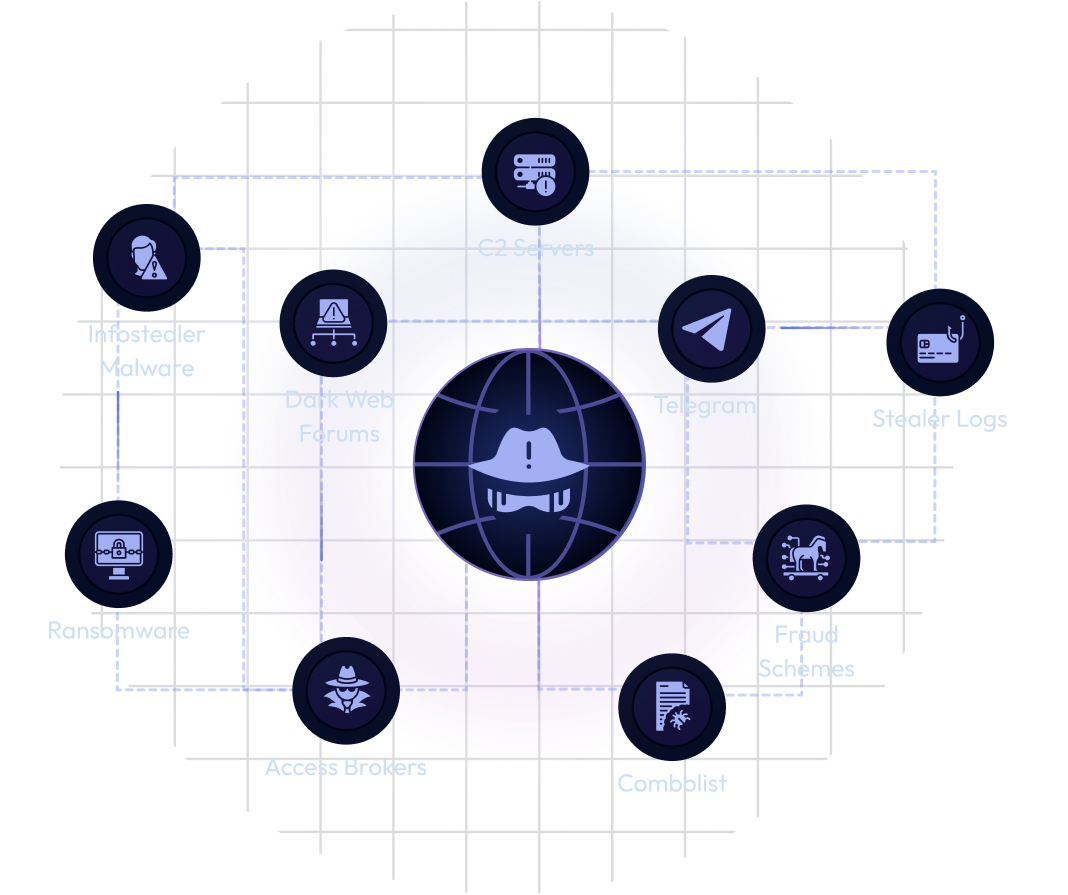
Continuous coverage of dark web forums, criminal marketplaces, and 57,000+ Telegram channels. The same sources attackers use to acquire stolen sessions and credentials.

API-first, fits your existing workflows
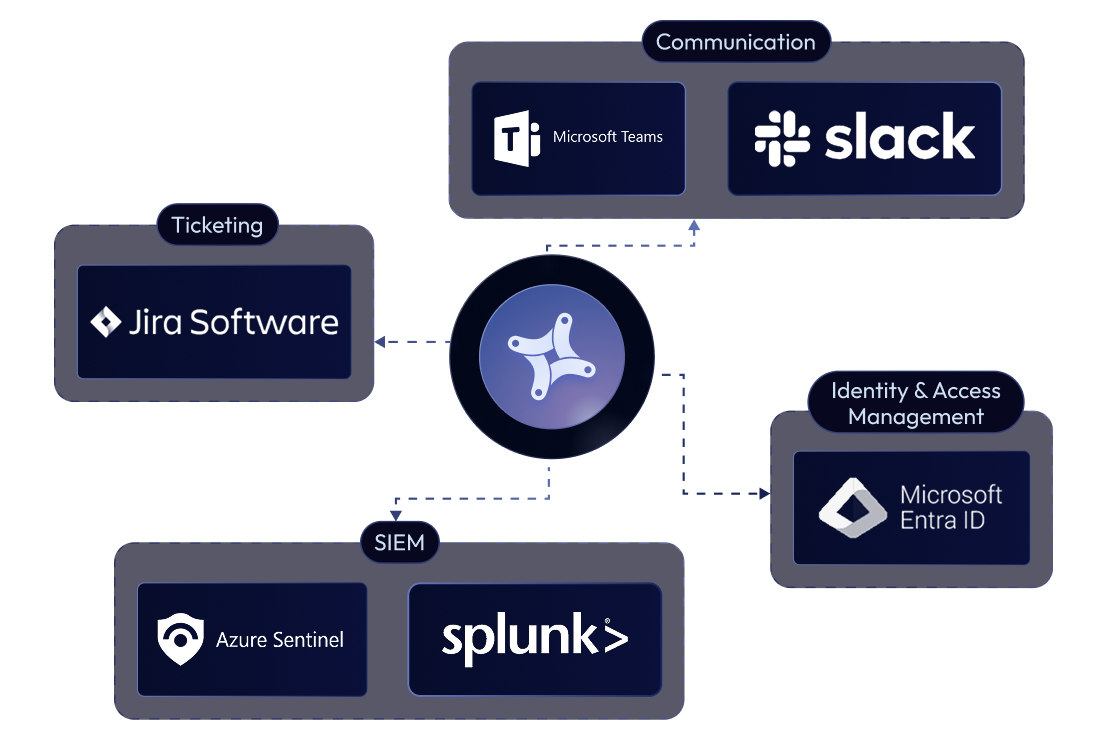
Delivered via API into your fraud prevention stack, SIEM, or SOAR. Flare provides the intelligence. Your team pulls the trigger.
Business impact

What Prevention Looks Like at Scale

The difference between catching a stolen session before the attacker acts and detecting fraud after it happens is measured in dollars, customer trust, and churn.

$17B

Projected global ATO losses in 2025
Up from $13B in 2023

54%

Of ransomware victims had domains in stealer logs
Verizon 2025 DBIR

< hrs

From device infection to criminal market listing
Recency is everything

29% of US adults have experienced account takeover. The number has risen every year since 2021 — and the attack methods are getting harder to detect.

Security.org, 2025 Annual Account Takeover Report
Use cases

Built For Consumer Platforms at Scale

If your users keep coming back, attackers are targeting their accounts.

E-Commerce & Retail

Prevent fraudulent purchases, loyalty point theft, and gift card draining before they hit your P&L.

Gaming & Entertainment

Track the active black market for stolen streaming and gaming accounts. Revoke before in-game assets or subscription value is extracted.

Social Media

Identify accounts at risk of being used in bot farms, phishing campaigns, or influence operations.

Fintech & Crypto

Surface exposure for high-value financial accounts where a single successful takeover can mean immediate, irreversible fund transfer.

Travel & Hospitality

Protect loyalty programs and stored payment methods from credential-based fraud targeting high-balance reward accounts.

News & Media

Monitor for subscriber account exposure and prevent credential-sharing markets from cannibalizing subscription revenue.

Banking & Insurance

Surface credential exposure for consumer portals holding financial and health data before attackers access accounts.

Sports Betting & Gaming

Protect funded accounts where balances and stored payment methods are high-value, fast-moving targets.
Common questions

Frequently Asked Questions

Credential theft uses stolen usernames and passwords to log in. The attacker must pass authentication, MFA can stop this, and the login attempt generates signals your tools can act on. Session cookie theft is different: the attacker loads a stolen session token directly into a browser, bypassing login entirely. No password, no MFA, no login event. They arrive as a trusted, authenticated user with nothing for your tools to detect.

Flare continuously monitors dark web forums, Telegram channels, criminal marketplaces, and stealer log databases for stolen session cookies and credentials associated with your platform. Customers query the ASTP API by domain or URL. When Flare surfaces an exposure, your team receives an alert and can revoke the session, force a password reset, or trigger workflows through your existing SIEM or SOAR. Flare provides the intelligence. Your team executes the remediation.

No. ASTP fills the gap upstream of existing tools. Behavioral analytics and payment fraud detection operate after a session is established. ITDR and IAM operate inside your environment. None have visibility into criminal markets before an attacker acts. ASTP is the intelligence layer that feeds signal into those tools before fraud occurs.

Your team needs the ability to verify a session cookie’s validity and revoke it programmatically, or trigger forced password resets for affected accounts. ASTP integrates via API into fraud workflows, SIEM, and SOAR platforms. Teams without full automation can still act manually on high-priority alerts.

Based on total active user account volume on your platform, not employee headcount. A platform with 200 million daily active users is priced accordingly, because consumer exposure scale drives the scope of the problem ASTP solves.

ASTP is a separately licensed add-on within the Flare platform: same interface, same underlying data, no second tool to learn. Organizations that start with ASTP have a simple path to Flare’s broader capabilities including dark web monitoring, brand protection, Telegram surveillance, and domain impersonation detection, all in one place.

Join the Future of Cybersecurity

Stop ATO Before It Impacts Your Bottom Line

See how Flare ASTP surfaces stolen sessions and credentials for your platform before attackers act.